We all have that one friend who keeps dating the same type of person over and over and over again. Or maybe it’s a friend who shuts down or breaks up anytime someone gets a little too close. You may have attributed these actions and behaviors to their personality, but in reality, it can be much more complicated than that.
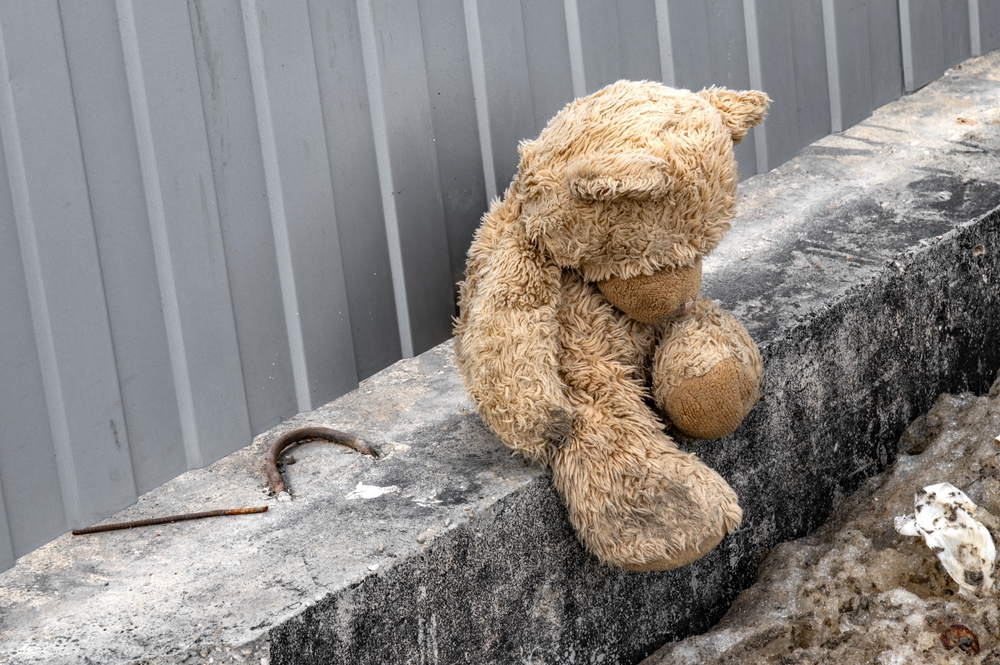
Most of the time, these relationship patterns are actually caused by what we didn’t receive as children. Love, safety, and validation are important, especially in childhood. When these needs go unmet, they can sneak up in the relationships that we hold as adults. And our friends may be among the first people to notice before we even do ourselves.
If you suspect that you have a friend struggling with unmet childhood needs, this is how those can show up in a relationship, and how you can be there for your friend.
Constantly Seeking Reassurance
If your friend constantly needs to be told that they’re okay, wanted, or loved, this can be a red flag for a larger issue besides just personal insecurities. If they grew up without a steady state of affirmation, it can make them crave reassurance just as much as the air that they breathe. In relationships, they may constantly ask their partner if they still love them and can become panicked if they don’t respond right away.
Lack of Trust
Does your friend often assume the worst? Do they question other people’s motives? If this is the case, especially without a real reason, it may be a sign of unmet childhood needs. This is typically seen in households where promises were often broken or there was emotional unpredictability. Growing up in an environment like this can lead to difficulty trusting others.
Avoiding Being Vulnerable
Some people may avoid being vulnerable completely. Instead, they will be consumed with protecting themselves from others. This means that they keep most of their conversations at surface-level, and completely avoid emotional topics. You may even notice that they turn to jokes if topics feel too real for them. If your friend never lets anyone see who they really are, it could be because they felt unsafe opening up to others while they were growing up.
Gravitating toward Unhealthy Relationships
You tend to feel drawn to similar types of relationships that you witnessed growing up. This means that if attention and love were limited as a child, you may try to cling to this as an adult, even if the relationship is unhealthy. This is usually seen when individuals choose to stay in toxic relationships because it’s better than the idea of being alone.
People Pleasing
Unmet childhood needs can lead adults to overcompensate in certain areas of their lives. Is your friend always putting others before themselves or bending over backward just to win approval from others? It could be because they feel like they have to earn love from others.
Next Steps
You want to be there to support your friend however you can. That makes you an amazing friend. But it’s important to know that it’s not your job to fix them or their childhood. That being said, noticing these patterns and moving forward with compassion can make you a better support system for them. Sometimes, being a friend who listens without judgment is a great way for your friend to start the healing process.
While you’re looking out for your friend, if you notice any of these signs in yourself, look at it as an invitation to explore, reflect, and seek support of your own. Treat yourself like you would treat your friend. You both deserve to be happy and healthy in all aspects of your life, including your relationships.
If you are looking for attachment-based therapy in Phoenix, Scottsdale, or online in Arizona we can help. Call Crossroads at 623-680-3486,text 623-688-5115, or email info@crossroadsfcc.com. You can ask all the questions you have and see if attachment-based therapy at Crossroads is the right fit for you. You can start your therapy journey by following these simple steps:
- Contact Crossroads Counseling
- Meet with an attachment-based therapist
- Begin your journey towards secure attachment
