

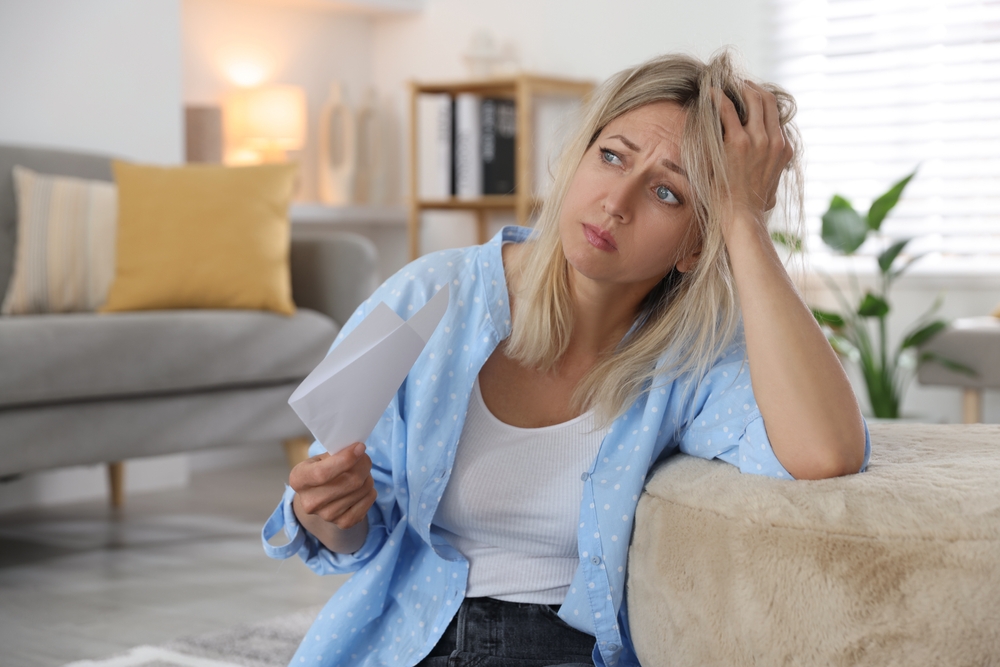
Have you noticed that some days you feel great, while other days you can barely get out of bed? Maybe your mood shifts without warning, or you find yourself crying over things that wouldn’t normally bother you. While life’s stresses certainly play a role in how we feel, there’s another factor that many women overlook: hormones.
Understanding the connection between emotional struggles and hormonal changes can be the first step toward feeling like yourself again.
The Hormone-Mood Connection
Your hormones do much more than regulate your reproductive system. They act as chemical messengers throughout your body, affecting everything from your energy levels to your emotional state. When hormone levels shift or fall out of balance, they can directly impact neurotransmitters like serotonin and dopamine, the same brain chemicals that regulate mood.
A drop in certain hormones can lead to reduced serotonin levels, which may result in increased sadness, anxiety, and irritability. For some women, these changes can trigger genuine depression that requires professional support.
Signs Your Hormones May Be Affecting Your Mood
If you’re experiencing several of these symptoms for more than two weeks, a hormonal imbalance might be playing a role:
Emotional symptoms:
- Persistent feelings of sadness, anxiety, or emptiness
- Increased irritability or frustration over small things
- Loss of interest in activities you normally enjoy
- Feeling hopeless about the future
Physical symptoms:
- Changes in sleep patterns
- Unexplained fatigue or low energy
- Difficulty concentrating or making decisions
- Changes in appetite
- Physical aches and pains without a clear cause
Common Hormonal Causes of Depression
Several conditions can trigger hormonal depression
Premenstrual Dysphoric Disorder (PMDD)
If you notice severe mood changes in the week or two before your period, you might be experiencing PMDD rather than typical PMS. This condition involves an increased sensitivity to normal hormonal fluctuations during your menstrual cycle.
Hormonal Birth Control
While birth control helps many women, some experience mood changes related to the type and amount of hormones in their contraception. The progesterone in some contraceptives can affect neurotransmitter levels and mood regulation.
Perimenopause and Menopause
The transition into menopause brings significant hormonal shifts as estrogen and progesterone levels decline. These changes can trigger mood swings, increase anxiety, and contribute to depression. Sleep disruptions from hot flashes can also worsen emotional symptoms.
Postpartum Depression
After childbirth, rapid drops in pregnancy hormones can significantly impact mood. This isn’t about being weak or failing as a mother. It’s a biological response to dramatic hormonal changes.
Thyroid Imbalances
Your thyroid hormones regulate metabolism and energy levels, and thyroid disorders can produce symptoms that mirror depression, including fatigue, difficulty concentrating, and mood changes.
Taking the Next Step
If you’re wondering whether your hormones are affecting your mood, start by tracking your symptoms. Note when they occur, their severity, and any patterns you notice in relation to your menstrual cycle or other life events. This information can be valuable when you meet with a healthcare provider.
Remember that hormonal depression is treatable. Options may include hormone therapy, adjustments to birth control methods, thyroid medication, or counseling approaches that help you manage symptoms while addressing underlying causes.
How We Can Help
Depression isn’t always just “in your head.” Sometimes it’s deeply connected to what’s happening in your body. Whether you’re struggling with mood changes related to your menstrual cycle, life transitions like menopause, or postpartum challenges, we’re here to support you.
If you’re feeling stuck in patterns of sadness, anxiety, or emotional ups and downs that don’t make sense, we encourage you to reach out. A consultation can help you determine whether counseling might be a good fit for your needs.
You don’t have to figure this out alone. Understanding the role hormones play in your emotional well-being can open doors to effective treatment and help you feel like yourself again.
 Crossroads Counseling has offices in Phoenix and Scottsdale and serves areas such as Anthem, Carefree, Paradise Valley, Tempe, Peoria, and their surrounding areas. We offer a complimentary 20-minute phone consultation with one of our women’s counseling therapists to discuss your specific situation. To start your therapy journey, please follow these simple steps:
- Contact Crossroads Counseling
- Meet with a women’s therapist
- Start addressing the concerns affecting you most!
To learn more call us at 623-680-3486 or text us at 623-688-5115. Email us at info@crossroadsfcc.com to speak with a couple’s counselor.