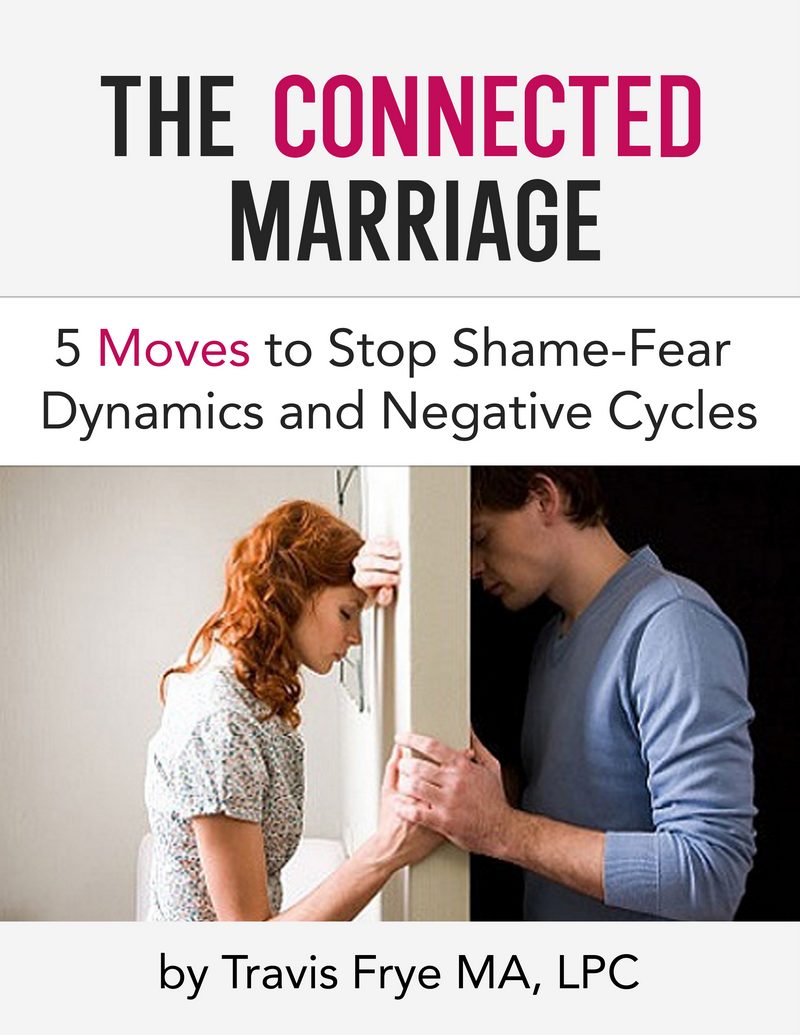

There are many reasons why someone hides their emotions in a relationship. In some cases, there could be manipulation involved. Far more common, however, such a choice is motivated by fear. Quite often, it feels too risky to let our feelings show. We feel exposed, unprotected, and vulnerable. However, vulnerability is not automatically a negative place to land. The only way to connect at the deepest level is to trust each other enough to reveal your heart.
It takes courage to tell someone how you feel. It’s a risk. When you strip away pretense and live in a radically honest manner, you will stand out in the crowd. When you do this in a relationship, however, it can be the most bonding choice you’ve ever made.
What Does Vulnerability Look Like in a Relationship?
- Both partners feel safe to be authentic without judgment
- Qualities like trust, patience, curiosity, and respect rule the day
- Whether you agree or not, you validate each other’s emotions, ideas, and thoughts
- Healthy, steady, face-to-face communication is a top priority
- Both partners set, enforce, and respect boundaries
- When faced with conflict, the goal is a healthy resolution
- You talk openly about insecurities, fears, and doubts
Vulnerability is not a destination at which you arrive. It’s a fluid process that sustains your connection even as both of you grow and evolve. But how can you make this happen?
How to Embrace Vulnerability and Emotional Depth in Relationships
Lead By Example
Necessary psychological steps typically begin within. When you put in the work to better comprehend your needs, feelings, dreams, and fears, you can more easily feel confident about who you are. This process can begin with individual therapy.
Talk About It
While you work on yourself (see above), you and your partner can start collaborative efforts. Set aside time to talk about yourselves and your relationship. Analyze what may or may not have worked in the past. Talk openly about what you like and don’t like. Things will feel less mysterious and nerve-wracking when you tackle topics before they become volatile.
Try It Out
Consider this a blend of role-playing and real life. For example, tell each other one thing that frightens you about being close to someone. Sure, it can feel odd or scary, but wow, it can de-fang a fear to simply state it out loud. From there, you might want to try some other experiments like:
- Revisit a Recent Situation: You can agree on an experience together, or you can each choose one. The idea is to reexamine an experience to dissect what felt good, bad, positive, or negative. Work together to discern what can be learned from this situation and how that can be applied to future experiences.
- Share One of Your Goals: One of the most bonding aspects of a relationship is working toward goals together. However, it can feel risky to propose a goal. What if your partner doesn’t go for it? What if they judge you for wanting it? Here’s an idea: What if it goes far better than you ever imagined? The only way to find out is, you guessed it, to be vulnerable.
You Can Hire a Vulnerability Coach!
We live in an often stressful digital minefield. Everyone and anyone can struggle with emotional regulation and intelligence. Therefore, why not connect with someone who is specifically trained to be your unbiased guide? Couples counseling is a proven path toward greater emotional depth in relationships. A therapy room can become your safe space in which you can begin getting comfortable with vulnerability. Let’s set up a free and confidential consultation soon.
We are happy to offer a complimentary 20-minute phone consultation for you to ask questions about becoming more vulnerable in your life and relationships. Our locations for counseling are located throughout the valley with counseling centers located in Phoenix, Anthem, Scottsdale and online anywhere in Arizona. You can start your therapy journey with Crossroads Counseling by following these simple steps:
- Contact Crossroads Counseling for a complimentary 20-minute phone consult
- Meet with an attachment-based therapist
- Start the healing process
Feel free to learn more about our practice by visiting our about page, FAQ, and blog, or read more about our staff members to start finding your best therapeutic fit! or, call us at 623-680-3486, text 623-688-5115, or email info@crossroadsfcc.com for more information! To learn more about attachment styles click here.