


Counseling for individuals, children, teens, and couples — where growth, healing, and genuine connection happen.

Eye Movement Desensitization & Reprocessing (EMDR)
Are You Carrying Pain From the Past?
- Do you find yourself reacting strongly to situations that you and others may not fully understand?
- Do certain memories, images, sounds, smells, or experiences seem to trigger intense bodily reactions such as fight, flight, freeze, or fawn?
- Maybe you have tried to move forward from a painful or traumatic experience, but part of you still feels stuck in what happened.
- Are your relationships with the people that matter the most suffering because of unresolved trauma?
- Perhaps you know that the event is over, but your nervous system still responds as if the danger is happening now.
- You may experience anxiety, panic, anger, shame, sadness, nightmares, intrusive memories, emotional numbness, or difficulty feeling safe in your own body.
- You may even find yourself avoiding certain people, places, conversations, or reminders because they bring up emotions that feel too overwhelming.
If you are struggling with the effects of trauma, painful memories, or distressing life experiences, Eye Movement Desensitization and Reprocessing (EMDR) Therapy may be able to help.

What Is EMDR Therapy?
Eye Movement Desensitization and Reprocessing, commonly referred to as EMDR, is an evidence-based therapy approach designed to help people process traumatic memories and distressing life experiences. EMDR was developed by Dr. Francine Shapiro and has been widely researched as an effective treatment for trauma and Post-Traumatic Stress Disorder (PTSD) and other forms of trauma.
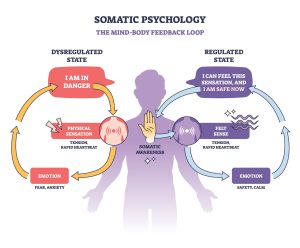
When something painful or traumatic happens, the brain and body do not always process the experience in the same way they process ordinary memories. Instead of being stored as something that happened in the past, the memory can remain emotionally “stuck.” When this happens, reminders of the event can activate the same fear, shame, anger, grief, or helplessness that was present during the original experience. It’s as if your mind and body cannot tell the difference between the past and the present. This often triggers intense emotions such as fear which activates the fight, flight, freeze, or fawn reaction.
EMDR helps the brain reprocess these memories so they no longer feel as emotionally intense or overwhelming. The goal is not to erase what happened, but to help your body and mind understand that the experience is over and that you are safe in the present.
Who Can Benefit From EMDR?
EMDR is for those who have been diagnosed with PTSD or who believe they may meet the criteria for PTSD. EMDR is also helpful for individuals who have experienced trauma, abuse, neglect, grief, disturbing memories, anxiety, panic, attachment wounds, or painful relationship experiences. You may benefit from EMDR therapy even if you do not have PTSD because there are different types of trauma such as acute, chronic, developmental, betrayal, and secondary trauma to name a few.
Some people seek EMDR after a single traumatic event, such as an accident, assault, medical trauma, or first responder-related incident. Others come to EMDR because of repeated painful experiences over time, including childhood abuse, emotional neglect, relational trauma, or ongoing exposure to highly stressful environments. This is often commonly referred to as chronic trauma.
You do not have to believe your experience was “bad enough” to seek help. If something from your past is still affecting the way you feel, think, relate, or function today, it is worth paying attention to. Trauma is not only about what happened to you. It is also about how your nervous system learned to survive what happened.
Why EMDR Therapy Is Important
Many people try to deal with trauma by pushing it away, staying busy, avoiding reminders, or telling themselves to “just move on.” While these strategies may help in the short term, they often do not resolve the deeper pain. The body may continue to carry the memory, even when the mind tries to ignore it.
It is important to understand that unprocessed trauma can affect your mood, relationships, sleep, self-worth, ability to trust others, and sense of safety in the world. It can also contribute to anxiety, depression, anger, emotional shutdown, or feeling disconnected from yourself and others.
EMDR therapy is important because it helps address the root of the distress rather than only managing the symptoms. With the right therapist, EMDR can help you safely revisit painful material without becoming overwhelmed by it. The process helps your brain and body move toward healing in a structured and supported way.
What Does EMDR Therapy Involve?
“What’s wrong with me?” is a question many trauma survivors often wrestle with. Shifting this question to, “What happened to me?” is a powerful reframe to normalize the experiences of trauma survivors. EMDR therapy is not about forcing you to relive every detail of what happened. Your therapist will first take time to understand your history, symptoms, goals, and current level of stability. Before processing painful memories, your therapist will also help you develop internal and external resources so that you feel grounded and supported.
During EMDR, your therapist may use bilateral stimulation, such as guided eye movements, tapping, or alternating sounds, while you briefly focus on parts of a distressing memory. This process helps the brain reprocess the memory and connect it with more adaptive information.
Over time, the memory often becomes less emotionally charged. People may still remember what happened, but it no longer feels as powerful, frightening, or present. EMDR can help shift negative and shame based beliefs such as “I am not safe,” “It was my fault,” or “I am powerless” into healthier beliefs such as “I survived,” “I am safe now,” or “I have choices.”
At Crossroads, our EMDR therapists understand that trauma work requires safety, pacing, and trust. We will not rush you. Your therapist will work with you collaboratively to determine when EMDR is appropriate and how to move through the process in a way that honors your story and your nervous system.

Anxiety Quiz
Are you constantly worried or on edge? Do you struggle with irrational thoughts and fears? Anxiety is a natural response to danger, uncertainty and challenges, and it is normal to…
EMDR Can Help You Move Toward Healing
Trauma can make the past feel present. EMDR helps create space between what happened then and who you are now. As painful memories begin to lose their intensity, many people find they can respond to life with greater calm, clarity, and confidence.
Healing does not mean pretending that painful things did not happen. It means that those experiences no longer have the same power over your body, your relationships, or your future. EMDR can help you process the pain you have been carrying so that you can move forward with more freedom.
At Crossroads, we offer EMDR therapy for individuals in Phoenix, Scottsdale, and online throughout Arizona. EMDR may also be integrated with other therapeutic approaches such as Internal Family Systems, Emotionally Focused Therapy, trauma-informed therapy, attachment-based therapy, or other interventions based on your needs.
Benefits of EMDR Therapy
EMDR therapy can help you process painful experiences in a way that reduces emotional distress and supports deeper healing. Through EMDR therapy, you may begin to experience benefits such as:
- Reduced intensity of traumatic memories
- Decreased anxiety, panic, or emotional reactivity
- Fewer intrusive thoughts, images, or body sensations
- Improved ability to feel safe and grounded
- Healthier beliefs about yourself and your past
- Greater emotional regulation and resilience
- Improved sleep and daily functioning
- Less avoidance of reminders or triggers
- Increased confidence in your ability to move forward
Over time, EMDR therapy can help you feel less controlled by the past and more present in your life today.
We have offices in Phoenix, Anthem, Scottsdale, and online throughout Arizona. To schedule a session, or for a 15 minutes phone consultation with a licensed therapist, call 623-680-3486, text 623-688-5115, or email using the “contact us” button.
Our Goal
But, You May Still Have Questions Or Concerns…
No. EMDR does not require you to describe every detail of what happened. Your therapist will help you identify the memories, emotions, body sensations, and beliefs connected to the experience, but the process does not depend on retelling the entire story.
No. EMDR is well known for treating PTSD, but it can also be helpful for anxiety, panic, grief, abuse, neglect, disturbing memories, attachment wounds, and painful relationship experiences.
That fear is understandable. A trained EMDR therapist will not begin trauma processing until you have developed tools to help you feel grounded and supported. EMDR is paced carefully, and your therapist will work with you to make sure the process feels manageable.
The length of EMDR therapy depends on your history, symptoms, goals, and the complexity of what you want to work through. Some people experience relief in fewer sessions, while others benefit from longer-term therapy, especially when there are multiple traumatic experiences or attachment wounds.
Yes. EMDR therapy can be provided online when clinically appropriate. Crossroads offers online therapy throughout Arizona, and your therapist can help determine whether online EMDR is a good fit for your needs.
We understand that beginning trauma work can feel like a big step. That is why we offer a complementary 15-minutes phone consultation with one of our therapists. Reach out today to learn whether EMDR therapy may be right for you.